
For years, traditional corporate eventsconferences, exhibitions, product launches, and sponsorshipshave been a core part of brand marketing strategies. Yet many brands today are asking a difficult question:
“Why are we spending so much on events, but seeing limited engagement, recall, or measurable ROI?”
The answer lies in how audience expectations have evolved. In an era of content overload and shrinking attention spans, traditional events often struggle to make a lasting impact. As a result, brands across the UAE and globally are shifting toward immersive brand experiences designed not just to be seen, but to be felt, remembered, and shared.
This article explores why this shift is happening, what immersive brand experiences really are, and how brands can make the transition successfully.
The Limitations of Traditional Events
Traditional events typically follow a familiar format: static booths, stage presentations, printed collateral, and one-way brand messaging. While these formats still have value, they come with clear limitations in today’s competitive environment.
Common Challenges Brands Face
- Passive audience engagement with limited interaction
- Event fatigue caused by repetitive formats
- Low emotional connection with the brand
- Difficulty measuring real impact beyond footfall
- High costs with diminishing differentiation
In crowded exhibitions and corporate venues, many brands struggle to stand out. Visitors move quickly from booth to booth, often forgetting most interactions by the end of the day.
What Is an Immersive Brand Experience?
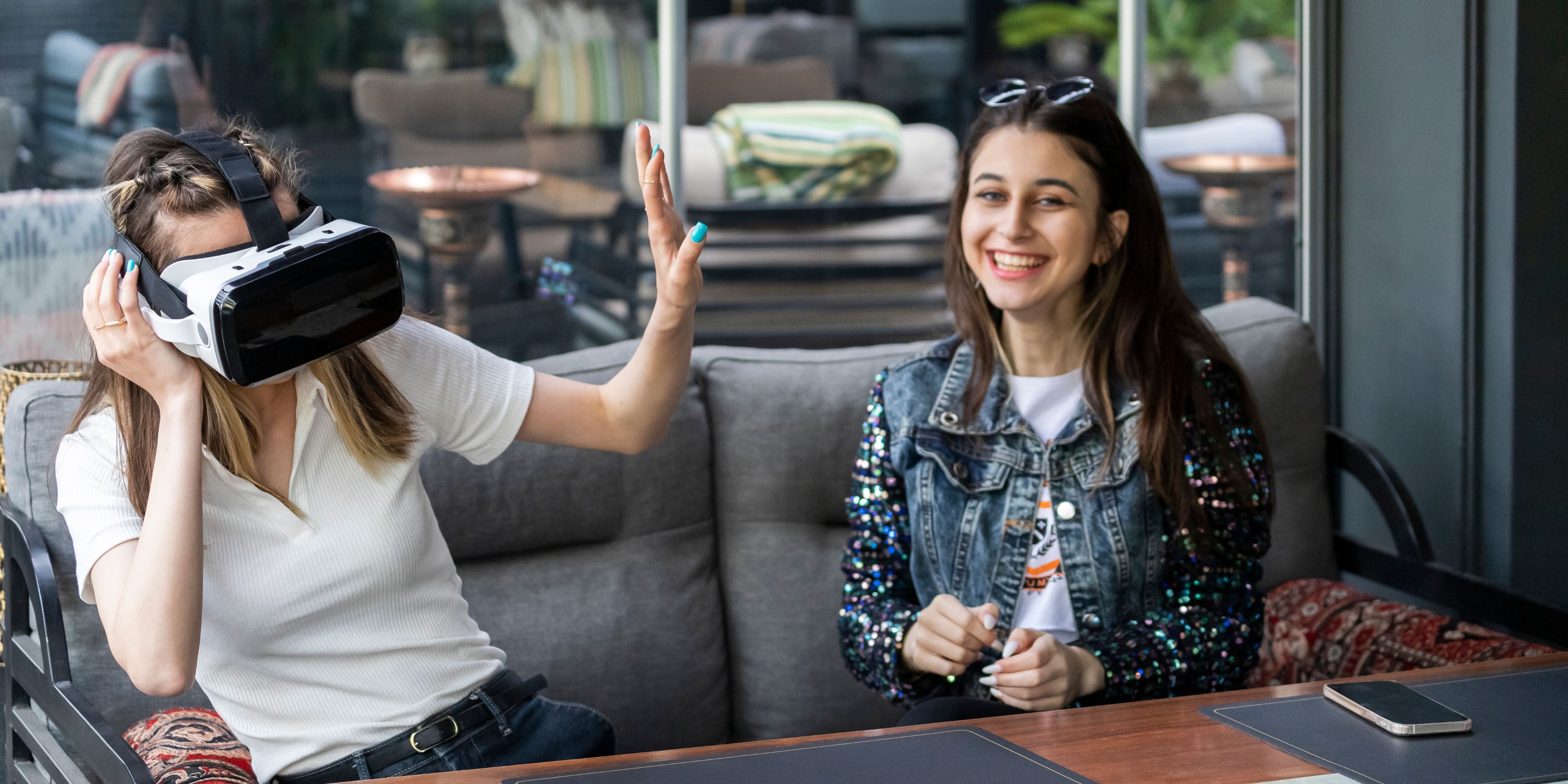
An immersive brand experience is designed to place the audience inside the brand story rather than positioning them as spectators.
Instead of focusing solely on visuals or product displays, immersive experiences combine:
- Interactive storytelling
- Multi-sensory engagement (visual, sound, touch, space)
- Purposeful use of technology
- Physical and digital integration
- Brand-led narratives aligned with business goals
The result is a deeper emotional connection that traditional formats often fail to achieve.
Why Brands Are Making the Shift
1. Audience Expectations Have Changed
Modern audiences expect participation, not presentations. They want experiences that invite interaction, exploration, and personalization.
2. Engagement Drives Recall
People remember experiences far more than information. Immersive environments create stronger memory anchors, increasing long-term brand recall.
3. Better Quality Leads, Not Just Volume
Immersive experiences encourage meaningful conversations rather than quick exchanges of brochures. This often results in higher-quality leads and more qualified follow-ups.
4. Social Sharing and Earned Visibility
Experiences that are interactive and visually compelling naturally generate social sharing, extending reach far beyond the event floor.
5. Alignment With Brand Strategy
Unlike isolated events, immersive experiences can be designed to support broader brand objectivessales enablement, education, positioning, and relationship building.
Traditional Events vs Immersive Brand Experiences
| Aspect | Traditional Events | Immersive Brand Experiences |
| Engagement | Passive | Interactive and participatory |
| Brand Recall | Short-term | Long-lasting |
| Audience Role | Observer | Active participant |
| Differentiation | Limited | High |
| ROI Measurement | Difficult | More measurable through engagement and intent |
Where Immersive Brand Experiences Are Being Used
Brands are adopting immersive approaches across multiple touchpoints, including:
- Interactive exhibition stands
- Experiential brand activations
- Experience centers and showrooms
- Product storytelling zones
- Corporate roadshows and launches
These experiences are not about spectacle alone; they are carefully designed environments aligned with clear business outcomes.
How Brands Can Transition Successfully
Moving from traditional events to immersive brand experiences requires a strategic shift, not just a design upgrade.
Key Principles for a Successful Transition
Start With Strategy
Define what the brand wants the audience to feel, understand, or do after the experience.
Design for Interaction, Not Decoration
Every design element should encourage participation or discovery.
Use Technology Purposefully
Technology should enhance storytelling, not distract from it.
Measure What Matters
Focus on engagement quality, lead intent, dwell time, and follow-up outcomes.
Work With End-to-End Experience Partners
Integrated teams reduce risk, improve consistency, and ensure accountability across strategy, design, and execution.
This is where experienced partners such as Vibrance Event Management LLC help brands translate strategy into impactful, real-world experiences.
Common Mistakes Brands Should Avoid
- Focusing on visuals without a clear experience strategy
- Adding technology without a defined purpose
- Treating immersive experiences as one-off activations
- Ignoring post-event follow-up and measurement
Avoiding these mistakes ensures immersive experiences deliver real business valuenot just momentary attention.
Final Thoughts
Traditional events are not disappearingbut they are evolving. Brands that continue to rely solely on static formats risk being overlooked in environments where attention is the most valuable currency.
Immersive brand experiences offer a way to stand out, connect emotionally, and create lasting impact. For brands evaluating their next exhibition, event, or brand activation, the shift toward immersive experiences is no longer optional; it is strategic.
Planning an upcoming event or exhibition?
Brands exploring immersive brand experiences should start with a clear experience strategy and the right execution partner.
Request a brand experience consultation to explore how immersive design can support your business goals.